

The Future is Female: Indigenous Women Leading Canada Forward
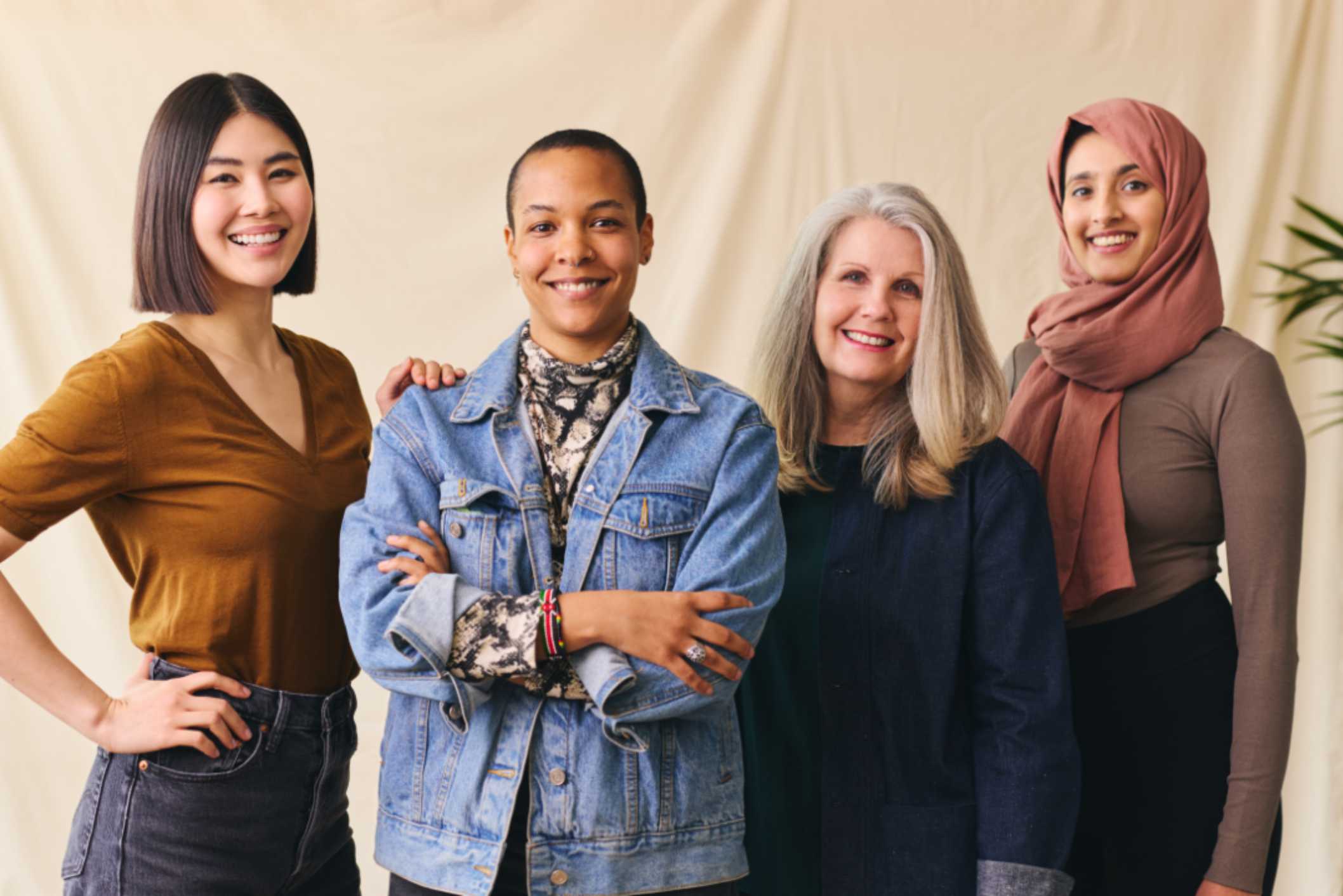
Across Canada, Indigenous women are redefining leadership on their own terms, grounded in community, fluent in boardroom strategy, and relentless about results. They are proving that reconciliation is not only moral work, it is also nation-building, economic development, and systems change. From chiefs to CEOs, their leadership is pragmatic, values-driven, and decidedly future-facing.
In British Columbia, Carol Anne Hilton of the Hesquiaht First Nation is changing how Canada talks about value. As founder and CEO of the Indigenomics Institute, she has pushed governments and companies to recognize a 100-billion-dollar Indigenous economy and to build the relationships, investment vehicles, and policies to match it. Her message is clear, Indigenous prosperity is not a niche, it is a growth strategy for the country.
On the Prairies, Chief Tammy Cook-Searson of the Lac La Ronge Indian Band in Saskatchewan leads one of Canada’s largest First Nations with a steady hand and an entrepreneurial lens. Under her watch, community priorities such as health, education, and housing move in tandem with business development and employment. The lesson is simple and powerful, when local leadership steers local enterprise, opportunity multiplies, and young people see a future at home.
Manitoba’s Dr. Marcia Anderson, a Cree-Anishinaabe physician, has become a national benchmark for accountable public health leadership. During the pandemic, she helped coordinate the Manitoba First Nations Pandemic Response Team, pairing data rigor with cultural safety to save lives. Today, she continues to insist that health systems measure what matters, access, outcomes, trust, and that Indigenous knowledge is a clinical asset, not an afterthought.
In Ontario, Tabatha Bull of Nipissing First Nation, President and CEO of the Canadian Council for Indigenous Business, is rewiring supply chains. She champions Indigenous procurement, certifies corporate performance through Progressive Aboriginal Relations, and equips Indigenous entrepreneurs to scale. Her approach, metrics, mentorship, and market access, demonstrates that inclusion grows GDP and competitiveness, not just goodwill.
Quebec’s Claudette Commanda of Kitigan Zibi Anishinabeg, Chancellor of the University of Ottawa, is reshaping the academy from the inside out. A lifelong educator and advocate, she is expanding the space for Algonquin and other Indigenous students, scholars, and languages in institutions built without them in mind. Her presence at the helm signals a shift, excellence and tradition are stronger when Indigenous leadership sets the agenda.
What links these women is not a single style but a shared discipline, they build bridges that carry real weight. Between communities and capital. Between ceremony and strategy. Between the urgency of today and the obligations to generations ahead. They are not waiting for permission, and they do not confuse visibility with impact. They create the conditions for others to lead.
If Canada is serious about the future, it must match their pace, by investing in Indigenous education and infrastructure, by buying from Indigenous businesses, by putting decision-making where the results land, and by listening with the intent to act. The future is not simply female. It is Indigenous women leading, confidently, collaboratively, and on their own terms.