

Nobel Prize 2026: Celebrating the Minds Changing Our World
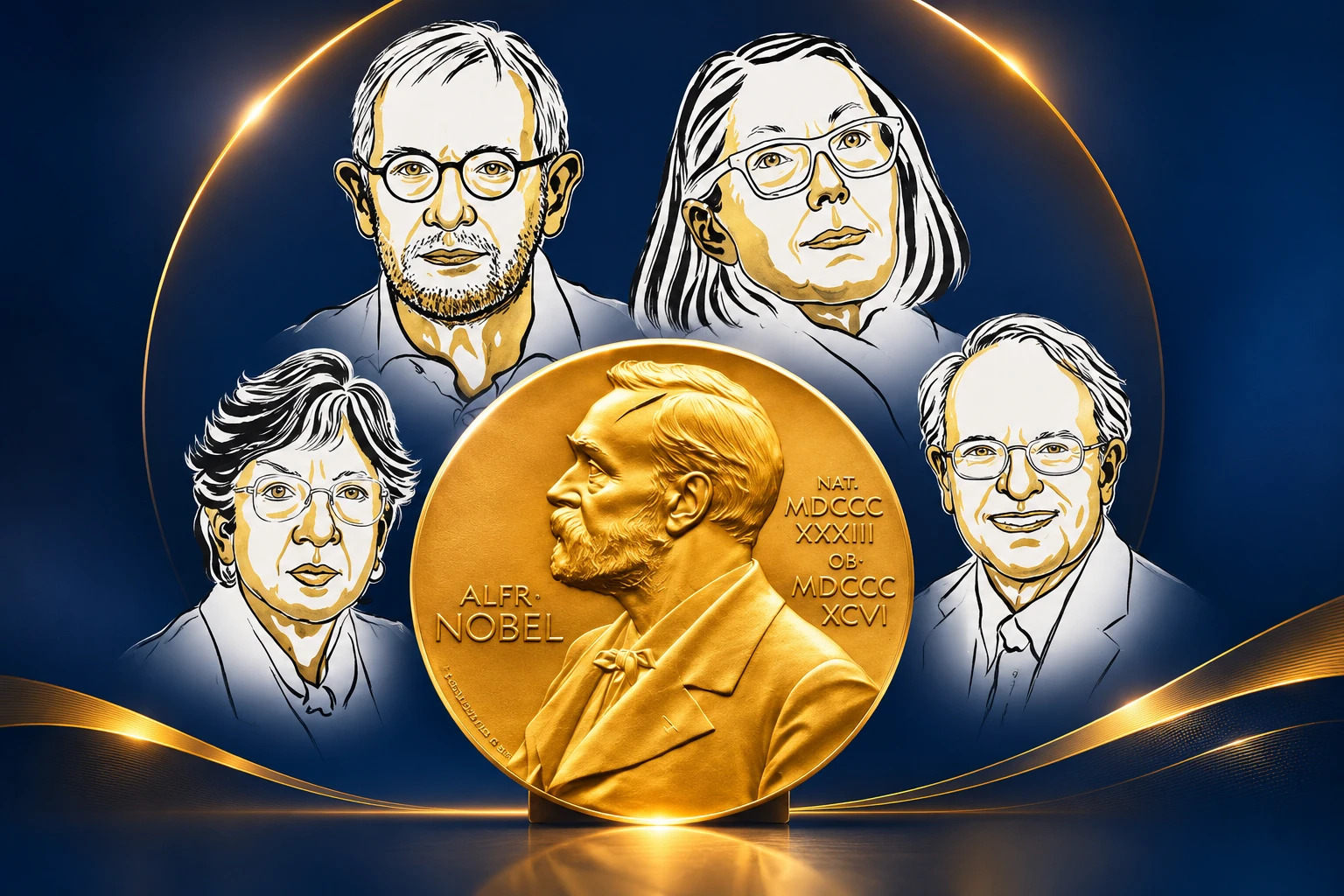
From groundbreaking scientific innovations to literature, economics and the pursuit of peace, the 2026 Nobel Prizes recognize individuals whose contributions are shaping humanity's future.
The Nobel Prizes, one of the most prominent awards in science, literature, peace, and economics, are given out every October to honour exceptional accomplishments. The awards, which were created by Swedish inventor Alfred Nobel, honour those whose efforts, ideas, and discoveries have improved humankind. The 2026 laureates, announced in October, represent remarkable achievements across disciplines, demonstrating how determination, innovation and courage can transform our understanding of the world.
Karl Deisseroth, Peter Hegemann, and Georg Nagel were acknowledged in the medical field for their groundbreaking findings that contributed to the development of optogenetics, a method that enables researchers to manipulate specific nerve cells using light. Their research has revolutionized neuroscience and created new avenues for brain comprehension.
Physicist Francis Halzen received recognition for groundbreaking contributions to neutrino astronomy. His work with the IceCube Neutrino Observatory in Antarctica has helped scientists investigate mysterious particles from distant cosmic events, expanding our knowledge of the universe.
In chemistry, Henri B. Kagan and Kenso Soai were honoured for discoveries connected to molecular structures and chemical reactions, with implications for pharmaceutical research and the development of medicines.
Canada celebrated an important literary achievement as Toronto-born poet, essayist and translator Anne Carson received the Nobel Prize in Literature. Known for her exceptional writing and ability to connect classical traditions with contemporary themes, Carson has influenced generations of writers and readers worldwide.
The Nobel Peace Prize recognized South African jurist and former United Nations High Commissioner for Human Rights Navi Pillay for her enduring commitment to human rights, justice and international accountability.
In economic sciences, Robert E. Hall and Michael Woodford were honoured for research advancing the knowledge of economic fluctuations and monetary policy, providing insights into the forces influencing economies and everyday financial decisions.
The 2026 awards commemorate 125 years since the first Nobel Prizes were given out in 1901. In keeping with the tradition of honouring extraordinary human achievement, the formal ceremonies are set for December 10. Behind every Nobel Prize lies a deeper story of persistence, sacrifice and unwavering belief. Many discoveries emerge after years of uncertainty, failed experiments and challenges that test even the most determined minds.
The 2026 laureates remind us that progress does not happen overnight. It begins with curiosity, develops through perseverance and ultimately creates possibilities for future generations.
Their greatest legacy is not simply the recognition they receive, but the lives they inspire and the world they help transform.